
- Home
- News Centre Resources
- Caring for the Caregivers: Mental Health in Rare Disease
From Unseen to Seen: Why Making Rare Diseases Visible Matters for Access to Care in the United States

Across the United States, more than 30 million people are living with a rare disease.1 Yet for too many patients and their families, these conditions remain unrecognized within healthcare systems. On average, an accurate diagnosis can take five years or more,1 though access to care varies by geography, and the full physical, social and economic impact of rare diseases is obscured by fragmented data systems.
A new World Economic Forum (WEF) white paper, Making Rare Diseases Count: How Better Data Can Unlock a Multitrillion Dollar Opportunity, makes the case that better data infrastructure is the key to unlocking progress. When rare disease patients are represented in data, they can be accounted for in policy, healthcare delivery and investment in innovation—and that has powerful implications for access to treatments and care in the US and beyond.
Rare disease as a proving ground for innovation
The US healthcare ecosystem is uniquely positioned to advance the concepts outlined in the WEF paper. It has rich clinical data, advanced research and development capabilities, and a regulatory environment that has historically adapted to diseases with high unmet needs. But those strengths coexist with fragmentation: data is siloed across health systems and states, making it difficult to accurately diagnose patients early, track disease progression or understand the full burden of rare diseases.
Rare diseases are where many healthcare breakthroughs happen first. Approximately 80% of rare diseases have a genetic origin,2 and advances in genomics and precision medicine are frequently piloted in rare disease settings before reaching mainstream medicine. Small, geographically dispersed populations necessitate AI enabled decision support, flexible regulatory approaches, and patient informed development, the use and development of which all shapes the entire healthcare ecosystem.
Access to care starts with visibility
In the US, healthcare challenges are magnified by geography and socioeconomic status. Access to specialists, advanced diagnostics and coordinated care can vary dramatically from state to state and community to community. Patients with rare diseases—who already face long odds of timely diagnosis—are disproportionately affected by these gaps.
The WEF paper highlights how connecting and more intelligently analyzing existing data sources—electronic health records, registries, diagnostic platforms, and analytics tools—can change that equation. When these systems work together, patients who have been overlooked can be flagged for further evaluation, shortening the path to diagnosis and reducing unnecessary testing. Earlier identification creates earlier opportunity: for intervention, for coordinated care and for better outcomes.
This is why data standards, trusted data sharing, and responsible use of AI matter. They are not technical exercises; they are mechanisms for ensuring that patients are not lost simply because their condition is uncommon.
Collaboration is the multiplier
No single organization can deliver the scope of change required. Reducing diagnostic delays, modernizing health systems and embedding equity into care require sustained engagement across patient communities, healthcare providers, payers, regulators and industry. In the US, scientific advancements happen when these groups move in lockstep—aligning incentives, modernizing policy frameworks, and embedding patient experience into decision making. Rare diseases show what is possible when systems are designed around real people rather than isolated data points.
Why this matters now
Rare diseases affect more than healthcare outcomes; they shape economic participation, family stability, and workforce productivity. When patients wait years for answers, costs accumulate across systems. When systems work better, everyone benefits.
For the United States, this is an opportunity to continue leading by showing how smarter data infrastructure can advance equity and how rare disease innovation can strengthen healthcare for all.
Read the World Economic Forum white paper to explore how better data can help make rare diseases count.
References
- National Organization for Rare Disorders. Rare Disease Facts & Statistics [Internet]. [cited 2026 May 21]. Available from: https://rarediseases.org/understanding-rare-disease/rare-disease-facts-and-statistics/
- Global Genes. Rare disease facts [Internet]. [cited 2026 May 21]. Available from: https://globalgenes.org/rare-disease-facts/
Share This Page
More articles you may like
Article • May 18, 2026
Caring for the Caregivers: Mental Health in Rare Disease
Across the United States, millions of families are navigating the complexities of rare disease. Behind many of these journeys is a caregiver coordinating appointments, advocating for access and care, balancing responsibilities at home and work, and carrying a significant emotional load.
Recognizing the toll these challenges can have on families, Alexion, AstraZeneca Rare Disease collaborated with caregivers and mental health professionals to develop More Than Rare, a three-part webinar series focused on patient and caregiver mental health.

Article • May 11, 2026
Tina’s Big Trip: A rare disease story about going the extra mile
Tina’s Big Trip: A rare disease story about going the extra mile, is the newest title in Alexion, AstraZeneca Rare Disease’s Inspired By book series created to support the rare disease community, and especially families impacted by rare diseases. The story, which follows two sisters preparing for a journey to Italy with their father, reflects the daily resilience that families demonstrate while managing the unseen complexities of living with a rare disease.

Article • February 03, 2026
Advancing Policy, Partnerships and Progress for the Rare Disease Community
As we reflect ahead of Rare Disease Day, we reaffirm our commitment to pioneering innovations for the rare disease community and to shortening the time to diagnosis, improving access to lifesaving care, and advancing health care policies that support patients and families.

Clinical Trials • October 28, 2025
Shaping the future of R&D with real world insights into rare disease
Studying a rare disease often involves working with fragmented information, much like piecing together scattered pages of different books, each offering part of the story but rarely forming a complete picture. Researchers face this challenge due to small, often underdiagnosed, patient populations and limited understanding of how these diseases progress over time.

Diagnostics • September 17, 2025
Genomic Innovation to Support Newborn Screening of Rare Diseases
Today, while more than 10,000 rare diseases are known, recommended newborn screening panels cover only about 40 core conditions. This gap underscores the need for innovative approaches to expand the reach of newborn screening.

Thought Leadership • June 11, 2025
Paving Regulatory Pathways in Rare Disease
Many rare disease medicines are often a first of their kind, and a clear roadmap for their development and approval does not exist. Navigating the complex and sometimes unprecedented regulatory environment for rare disease requires innovation, collaboration and a patient-first mindset.

Media [News] • April 10, 2025
Advancing Rare Disease Research Through Patient-Centric Trial Design
As Head of Development, Regulatory and Safety at Alexion, Gianluca Pirozzi channels his life’s experience with rare disease to inform his work at Alexion, ensuring clinical programmes are fueled by a patient-focused mindset.
Article • February 24, 2025
Supporting Patients on Rare Disease Day, and Every Day
Rare Disease Day recognizes the 400 million people worldwide – and 30 million in the United States – who are living with a rare disease. While significant progress has been made in understanding rare diseases and developing treatments, the need for continued awareness, research and support is as great as ever.
Patient Support • February 05, 2025
Addressing the Unmet Needs of the Amyloidosis Community
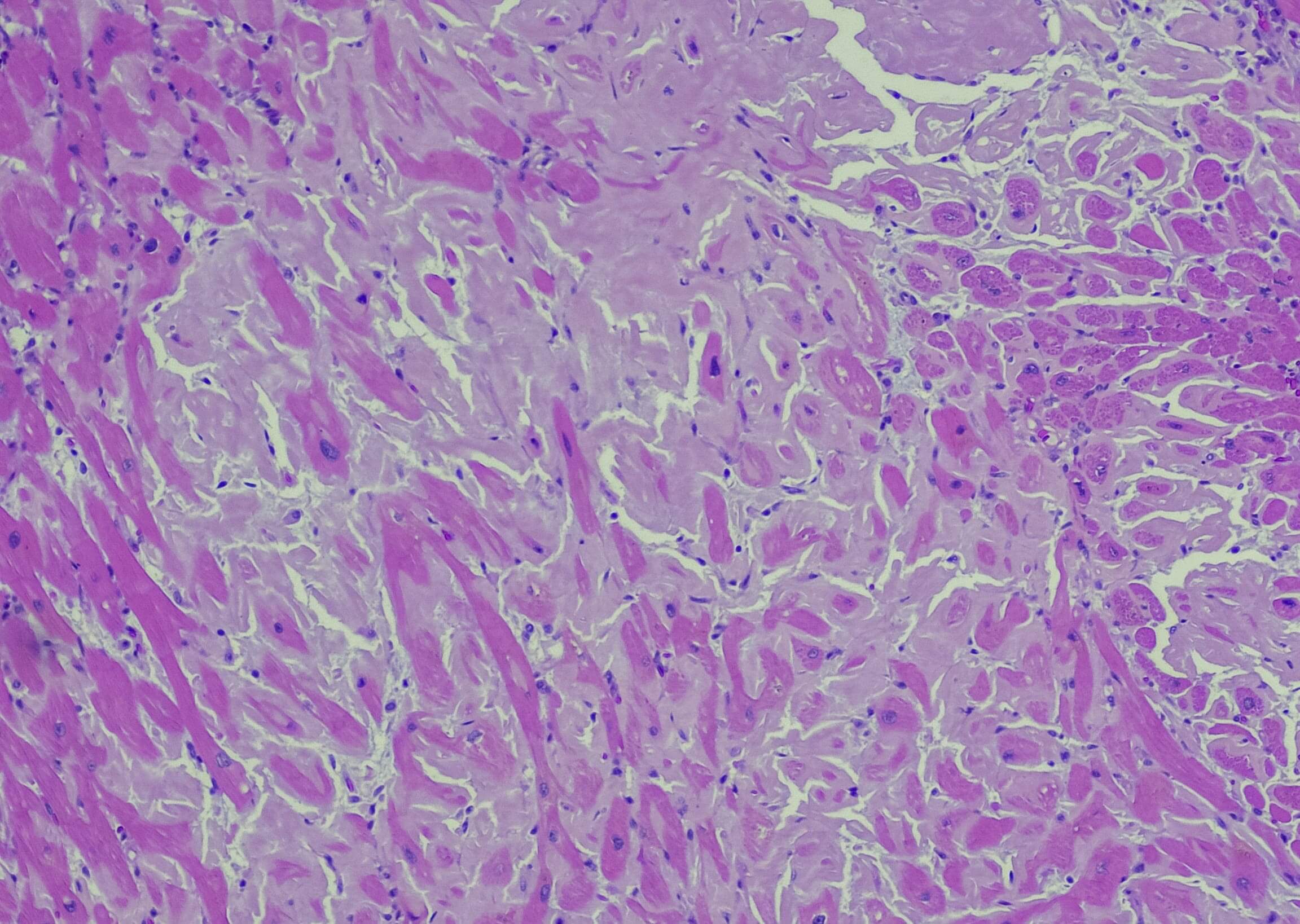
We spoke with Cristina Quarta, Executive Medical Director, about a group of rare diseases known as amyloidosis, the medical needs within this community and how her work as a cardiologist shapes her approach to research and development (R&D) for rare cardiac conditions.