
Addressing the Unmet Needs of the Amyloidosis Community
We spoke with Cristina Quarta, Executive Medical Director, about a group of rare diseases known as amyloidosis, the medical needs within this community and how her work as a cardiologist shapes her approach to research and development (R&D) for rare cardiac conditions.
What led you to a career in medicine?
My interest in medicine started as a little girl--I was watching a movie about a child that was sick, and I immediately turned to my dad, saying, ‘I want to cure sick children.’ I held onto that feeling and passion for medicine for years and eventually entered medical school in Italy.
I chose cardiology because I found the heart to be a fascinating organ; it pumps our blood to other organs, and emotionally, it’s where our passion comes from. However, it wasn’t until I attended a conference where I connected with my mentor and then began reading literature on amyloidosis, when I learned about the significant needs within the amyloidosis community--that was when I knew wanted to specialize in treating amyloidosis. I knew then this was an area where I wanted to make an impact.

What is amyloidosis and why focus on this particular disease?
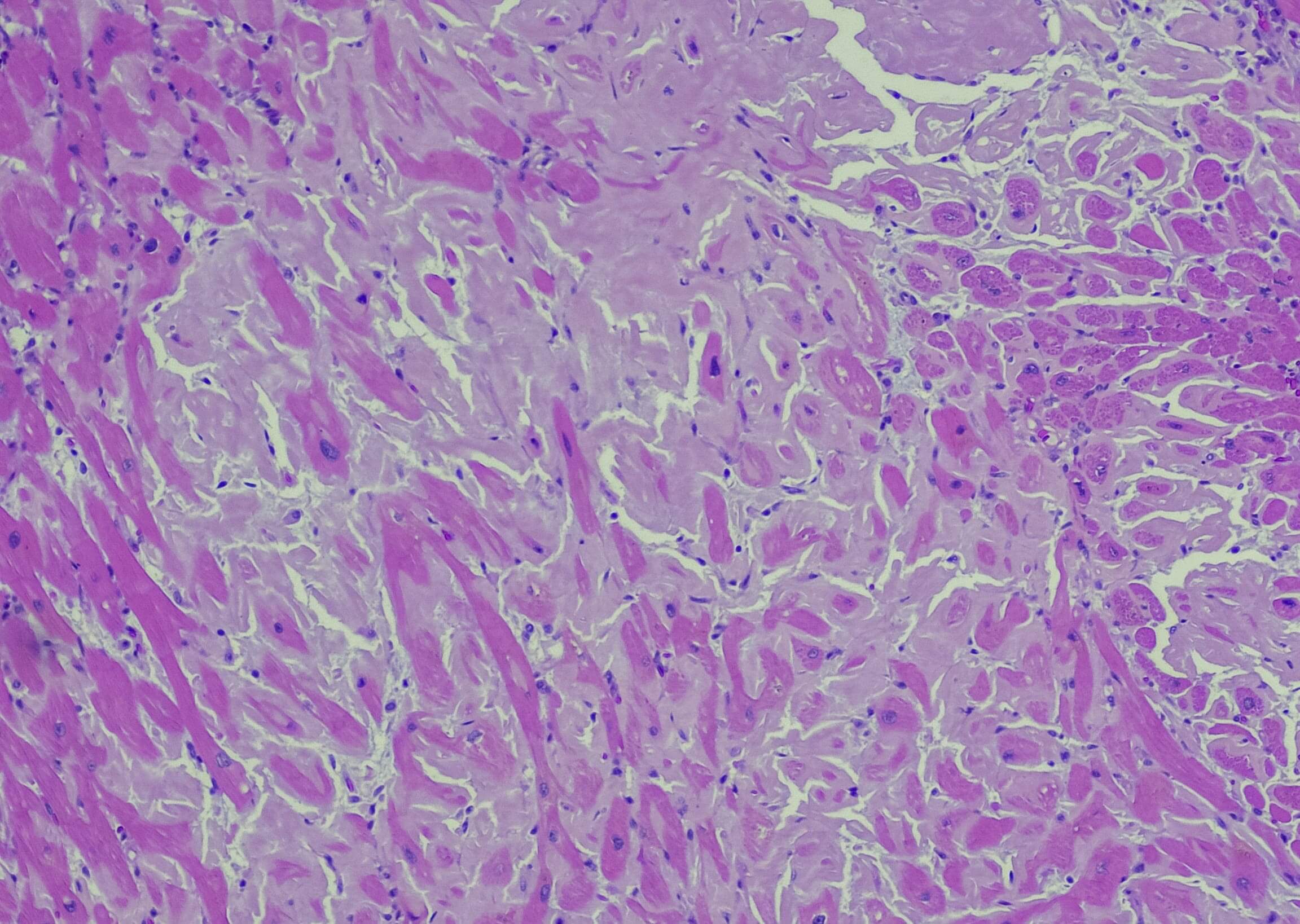
Amyloidosis is not one disease, but rather, a group of complex rare diseases where certain proteins that circulate in our blood lose their normal structures. The proteins become abnormal, misfolding and clumping together, which makes them more prone to aggregate and deposit in tissues.1 These amyloids can deposit in the heart, kidneys and peripheral nerves.2 This can lead to organ damage and ultimately organ failure.2
One of the greatest challenges people living with amyloidosis face is receiving a timely and accurate diagnosis, because amyloidosis is considered a great pretender. Signs and symptoms of amyloidosis often resemble other diseases, which can lead to misdiagnosis and/or delayed diagnosis and treatment.3 Furthermore, there remains a need for additional treatment options.
How does your experience as a doctor influence your work in clinical research?
When I was a physician seeing patients, there were often no available treatment options to offer patients with advanced amyloidosis. I saw the desperate need for new approaches and that continues to fuel my passion for clinical research into new treatments. I believe that my experience working with and treating patients helps me to advance our research in a much more effective and empathetic way.
What excites and motivates your science?
At Alexion, I still have the opportunity to get to know patients and their caregivers, and the potential for our research to help address their unmet treatment needs motivates me every day.
We are advancing an exciting pipeline that aims to address a broad spectrum of amyloidosis, including ATTR-CM (transthyretin amyloidosis cardiomyopathy) and AL (amyloid light chain amyloidosis). When I think about the future, I am filled with hope.
To learn more about amyloidosis, check out these factsheets for AL amyloidosis and ATTR amyloidosis.
References
- Desport, E., Bridoux, F., Sirac, C., et al. AL Amyloidosis. Orphanet J Rare Dis 7, 54 (2012).
- Sanchorawala, V. Light Chain (AL) Amyloidosis: Diagnosis and Treatment. Clin J Am Soc Nephrol 1: 1331-1341, 2006.
- Amyloidosis – Symptoms and causes (2020, March 14). Mayo Clinic. Accessed at https://www.mayoclinic.org/diseases-conditions/amyloidosis/symptoms-causessyc-20353178. Accessed August 2024.
Featured Content (Articles)

Article • June 08, 2026
From Unseen to Seen: Why Making Rare Diseases Visible Matters for Access to Care in the United States
Across the United States, more than 30 million people are living with a rare disease.1 Yet for too many patients and their families, these conditions remain unrecognized within healthcare systems. On average, an accurate diagnosis can take five years or more, though access to care varies by geography, and the full physical, social and economic impact of rare diseases is obscured by fragmented data systems.

Article • May 18, 2026
Caring for the Caregivers: Mental Health in Rare Disease
Across the United States, millions of families are navigating the complexities of rare disease. Behind many of these journeys is a caregiver coordinating appointments, advocating for access and care, balancing responsibilities at home and work, and carrying a significant emotional load.
Recognizing the toll these challenges can have on families, Alexion, AstraZeneca Rare Disease collaborated with caregivers and mental health professionals to develop More Than Rare, a three-part webinar series focused on patient and caregiver mental health.

Article • May 11, 2026
Tina’s Big Trip: A rare disease story about going the extra mile
Tina’s Big Trip: A rare disease story about going the extra mile, is the newest title in Alexion, AstraZeneca Rare Disease’s Inspired By book series created to support the rare disease community, and especially families impacted by rare diseases. The story, which follows two sisters preparing for a journey to Italy with their father, reflects the daily resilience that families demonstrate while managing the unseen complexities of living with a rare disease.

Article • February 03, 2026
Advancing Policy, Partnerships and Progress for the Rare Disease Community
As we reflect ahead of Rare Disease Day, we reaffirm our commitment to pioneering innovations for the rare disease community and to shortening the time to diagnosis, improving access to lifesaving care, and advancing health care policies that support patients and families.

Clinical Trials • October 28, 2025
Shaping the future of R&D with real world insights into rare disease
Studying a rare disease often involves working with fragmented information, much like piecing together scattered pages of different books, each offering part of the story but rarely forming a complete picture. Researchers face this challenge due to small, often underdiagnosed, patient populations and limited understanding of how these diseases progress over time.

Diagnostics • September 17, 2025
Genomic Innovation to Support Newborn Screening of Rare Diseases
Today, while more than 10,000 rare diseases are known, recommended newborn screening panels cover only about 40 core conditions. This gap underscores the need for innovative approaches to expand the reach of newborn screening.
Thought Leadership • June 11, 2025
Paving Regulatory Pathways in Rare Disease
Many rare disease medicines are often a first of their kind, and a clear roadmap for their development and approval does not exist. Navigating the complex and sometimes unprecedented regulatory environment for rare disease requires innovation, collaboration and a patient-first mindset.
Media [News] • April 10, 2025
Advancing Rare Disease Research Through Patient-Centric Trial Design
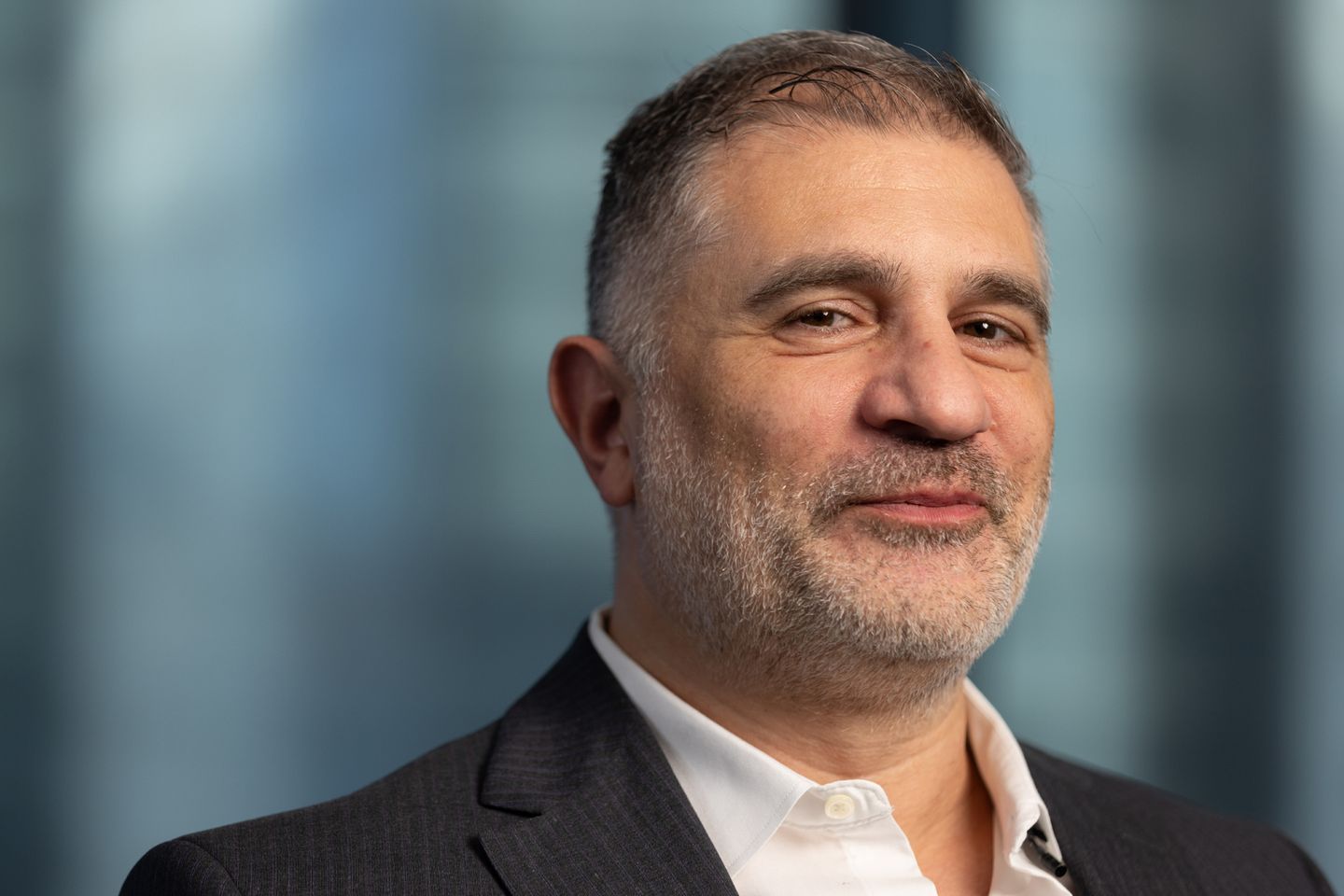
As Head of Development, Regulatory and Safety at Alexion, Gianluca Pirozzi channels his life’s experience with rare disease to inform his work at Alexion, ensuring clinical programmes are fueled by a patient-focused mindset.
Article • February 24, 2025
Supporting Patients on Rare Disease Day, and Every Day
Rare Disease Day recognizes the 400 million people worldwide – and 30 million in the United States – who are living with a rare disease. While significant progress has been made in understanding rare diseases and developing treatments, the need for continued awareness, research and support is as great as ever.
Veeva ID: US/NP/0080