Getting to know Banu Sankaran, an Alexion R&D Leading Voice
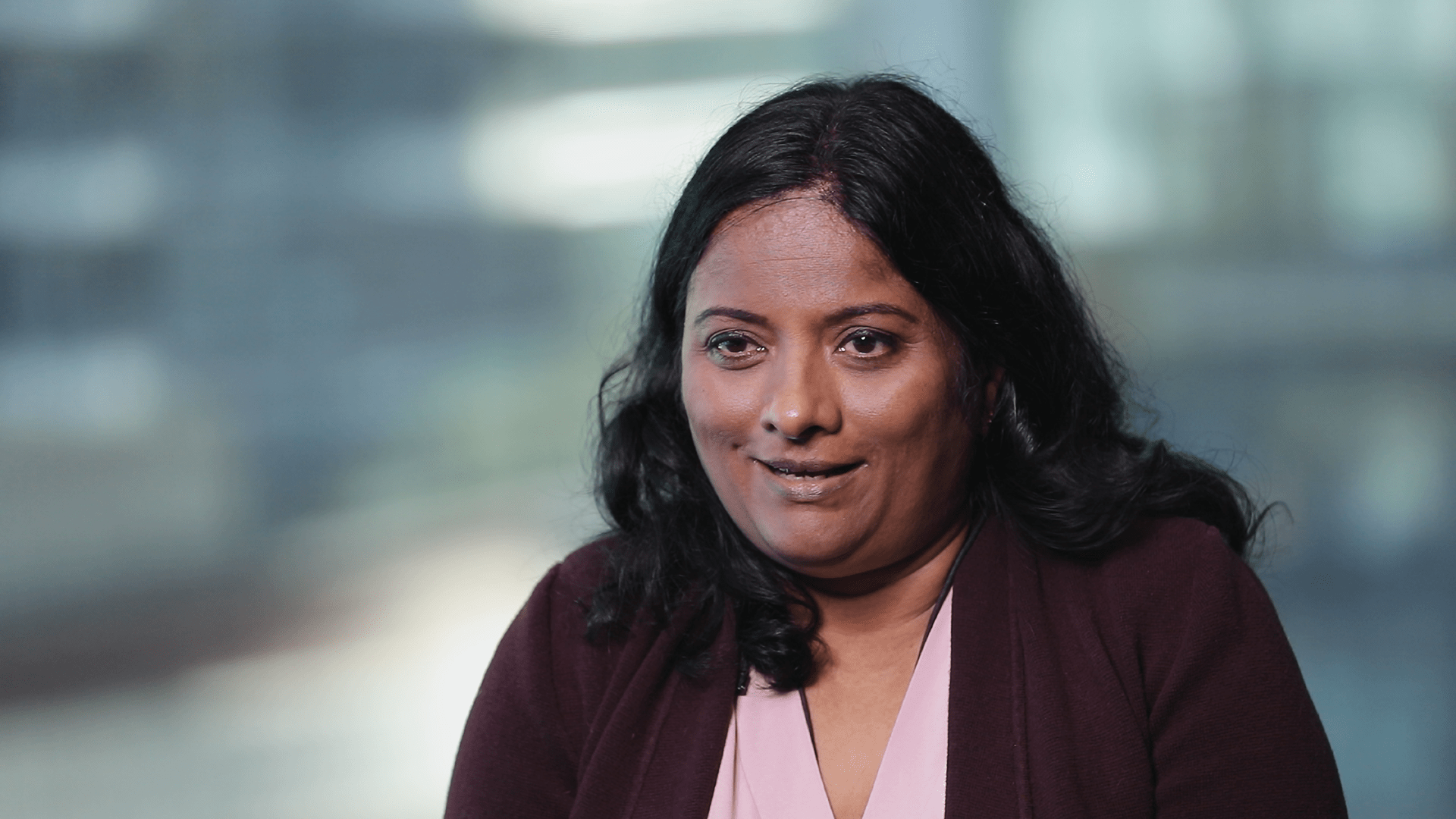
Diagnostics and artificial intelligence (AI) systems are transforming research and development (R&D) in the healthcare industry. The potential impact is considerable for rare diseases, which are not well understood and often involve a long diagnosis journey for patients. We spoke to Banu Sankaran, Head of Diagnostics Strategy & Development, about the rare disease diagnostic landscape and her team’s goal to develop innovative solutions for patients.
What is the role of the diagnostics and strategy team at Alexion?
Rare disease patients often face a long and difficult path to diagnosis, a journey we refer to as a “diagnostic odyssey.” On average, rare disease patients see more than seven providers before receiving the right diagnosis and treatment, an odyssey that can take more than four years. So, our ambition is to mitigate this by developing innovative solutions with the potential to help patients and caregivers get to the right diagnosis faster and to help them get the right treatment sooner.
We begin with patient and caregiver insights to help us understand the patient journey to diagnosis and treatment, and where along that path there may be an opportunity for improvement. Is there a diagnostic test that might help inform physicians’ treatment decisions or identify the patients who may benefit from a new clinical trial? Could AI-based software improve the speed and accuracy of diagnosis? We look for those spaces where diagnostics may make an impact.
What led you to a career in diagnostics?
I started my career journey as a principal scientist working in the field of in-vitro diagnostics. Over time, as the field of precision medicine and targeted therapies evolved, my career became dedicated to supporting the partnership between diagnostics and pharma. The interface between these two entities is what ultimately got me interested in the idea of developing companion diagnostics to help pair targeted therapies with the patients who may be most likely to benefit. Initially, my work was focused in oncology but over time expanded into non-oncology areas, as well.
How did you come to work in rare disease at Alexion?
What caught my attention was the opportunity to have a profound impact on people’s lives, given the great need for diagnostic tools for rare diseases, which is continuing to increase. As we continue to follow the science and identify new targeted treatments, the opportunity for diagnostics will continue to grow. I was impressed by Alexion’s portfolio and continued momentum in critical areas of development for rare diseases, such as genomic medicine.
Precision medicine approaches have transformed the treatment landscape including for many cancers. It's safe to say that this targeted approach will continue to expand in other areas, especially as genomic medicine approaches continue to mature. Diagnostics are poised to play a considerable role in this because it can help to identify the right treatment for the right patient at the right time. This is really the core of what we are trying to achieve, and I’m proud of the diagnostics capabilities that we are building. We have many parallel projects underway with the aim to be the pioneers moving the field forward and leading this transformation.
What’s one thing you’ve learned from working in rare disease R&D?
Since I began working in the rare disease space, I’ve gained a greater awareness of the health equity challenges that this community faces, and the role diagnostics can play to improve care for rare disease patients. Many people already face obstacles to accessing specialists and technologies needed to diagnose certain diseases and this can be exacerbated for those impacted by a rare disease. By making diagnostic tools more accessible, we can help overcome these barriers, and help to ensure that everyone is able to have the same access to healthcare, diagnostic tests and treatment.
In addition to existing diagnostic tools, technologies like AI are transforming the healthcare industry. AI-powered software and tools may help to identify patterns in disease progression and ultimately help patients receive a diagnosis and treatment faster. These advanced systems will also make it easier for physicians across the globe to share learnings, which may help to improve health outcomes for more people.
Do you have any advice for someone considering a career in rare disease R&D?
Rare disease R&D can be challenging and there’s often a level of uncertainty to our work. As such, many people who embark on this career are strong, independent thinkers. This is a great attribute, but none of us can do our jobs alone.
I frequently engage colleagues across different parts of our organization and find their expertise and insights help my teams deliver stronger results. To me, some of the most important qualities are collaboration, communication and inclusiveness. To overcome the challenges inherent in rare disease and affect the greatest change, we must work collaboratively and be open to other points of view. We are most impactful when we all come together.
Learn more about our scientists, innovative culture, career opportunities at Alexion.
More articles you may like

Article • June 08, 2026
From Unseen to Seen: Why Making Rare Diseases Visible Matters for Access to Care in the United States
Across the United States, more than 30 million people are living with a rare disease.1 Yet for too many patients and their families, these conditions remain unrecognized within healthcare systems. On average, an accurate diagnosis can take five years or more, though access to care varies by geography, and the full physical, social and economic impact of rare diseases is obscured by fragmented data systems.

Article • May 18, 2026
Caring for the Caregivers: Mental Health in Rare Disease
Across the United States, millions of families are navigating the complexities of rare disease. Behind many of these journeys is a caregiver coordinating appointments, advocating for access and care, balancing responsibilities at home and work, and carrying a significant emotional load.
Recognizing the toll these challenges can have on families, Alexion, AstraZeneca Rare Disease collaborated with caregivers and mental health professionals to develop More Than Rare, a three-part webinar series focused on patient and caregiver mental health.

Article • May 11, 2026
Tina’s Big Trip: A rare disease story about going the extra mile
Tina’s Big Trip: A rare disease story about going the extra mile, is the newest title in Alexion, AstraZeneca Rare Disease’s Inspired By book series created to support the rare disease community, and especially families impacted by rare diseases. The story, which follows two sisters preparing for a journey to Italy with their father, reflects the daily resilience that families demonstrate while managing the unseen complexities of living with a rare disease.

Article • February 03, 2026
Advancing Policy, Partnerships and Progress for the Rare Disease Community
As we reflect ahead of Rare Disease Day, we reaffirm our commitment to pioneering innovations for the rare disease community and to shortening the time to diagnosis, improving access to lifesaving care, and advancing health care policies that support patients and families.

Clinical Trials • October 28, 2025
Shaping the future of R&D with real world insights into rare disease
Studying a rare disease often involves working with fragmented information, much like piecing together scattered pages of different books, each offering part of the story but rarely forming a complete picture. Researchers face this challenge due to small, often underdiagnosed, patient populations and limited understanding of how these diseases progress over time.

Diagnostics • September 17, 2025
Genomic Innovation to Support Newborn Screening of Rare Diseases
Today, while more than 10,000 rare diseases are known, recommended newborn screening panels cover only about 40 core conditions. This gap underscores the need for innovative approaches to expand the reach of newborn screening.
Thought Leadership • June 11, 2025
Paving Regulatory Pathways in Rare Disease
Many rare disease medicines are often a first of their kind, and a clear roadmap for their development and approval does not exist. Navigating the complex and sometimes unprecedented regulatory environment for rare disease requires innovation, collaboration and a patient-first mindset.
Media [News] • April 10, 2025
Advancing Rare Disease Research Through Patient-Centric Trial Design
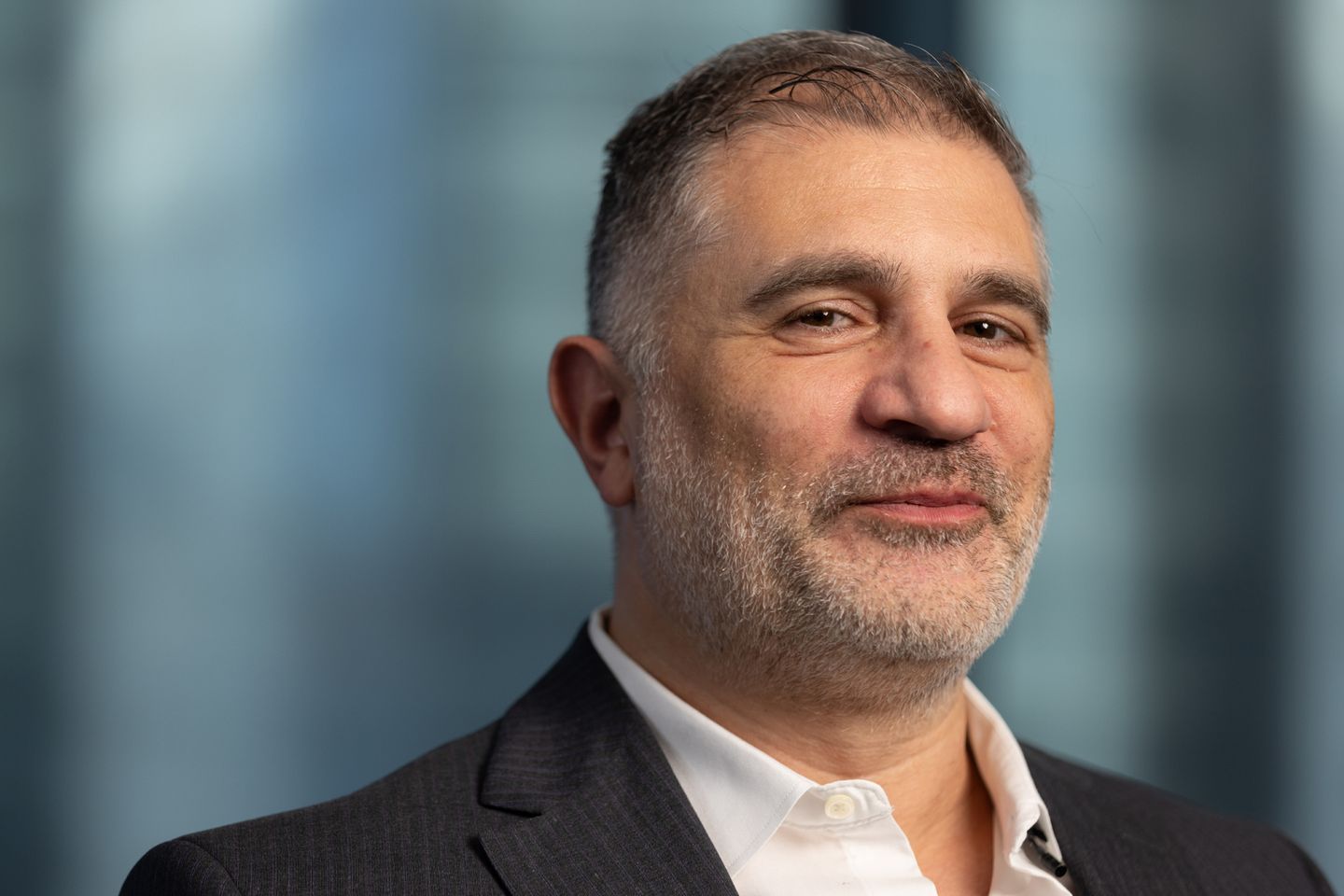
As Head of Development, Regulatory and Safety at Alexion, Gianluca Pirozzi channels his life’s experience with rare disease to inform his work at Alexion, ensuring clinical programmes are fueled by a patient-focused mindset.
Article • February 24, 2025
Supporting Patients on Rare Disease Day, and Every Day
Rare Disease Day recognizes the 400 million people worldwide – and 30 million in the United States – who are living with a rare disease. While significant progress has been made in understanding rare diseases and developing treatments, the need for continued awareness, research and support is as great as ever.
Patient Support • February 05, 2025
Addressing the Unmet Needs of the Amyloidosis Community
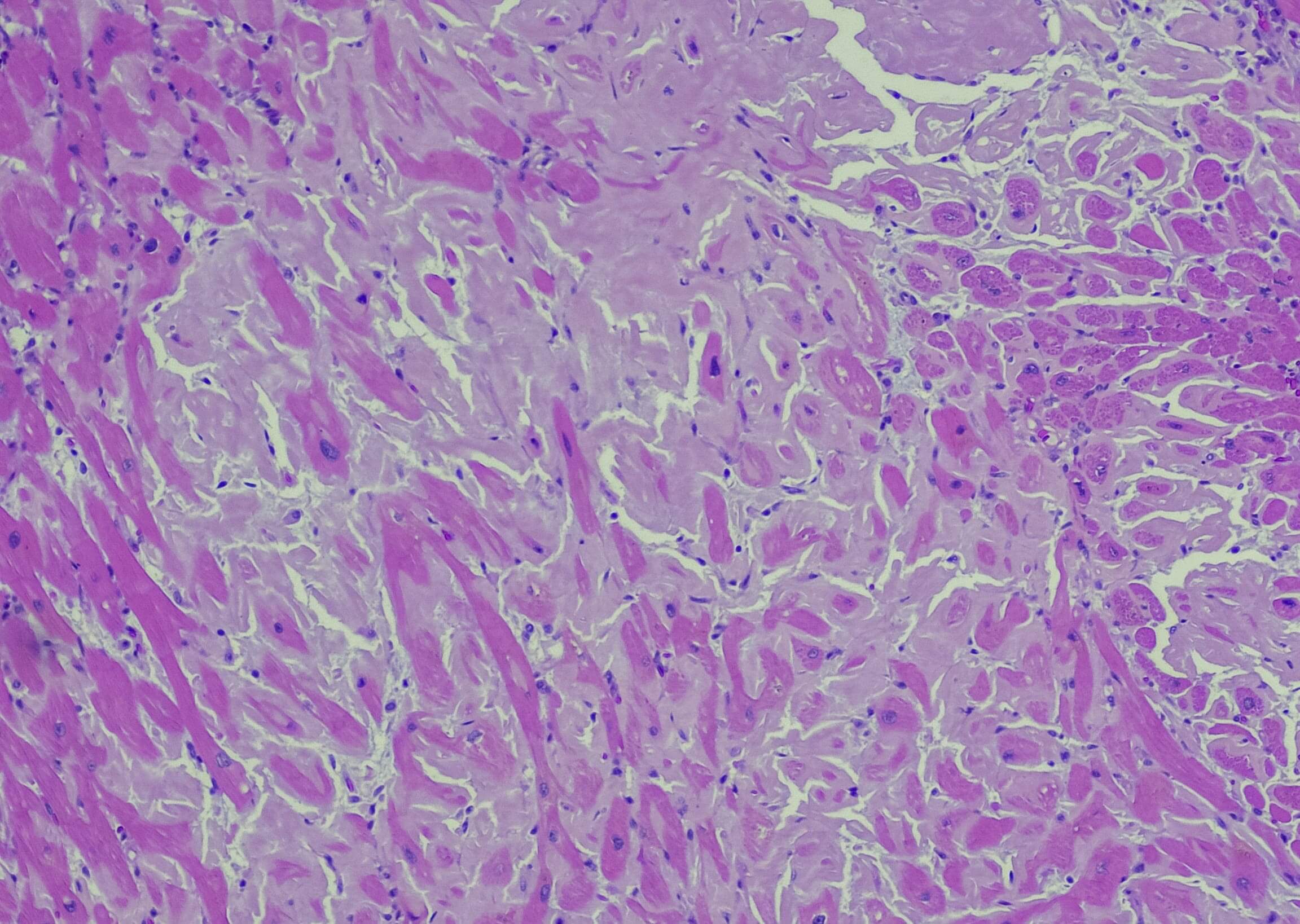
We spoke with Cristina Quarta, Executive Medical Director, about a group of rare diseases known as amyloidosis, the medical needs within this community and how her work as a cardiologist shapes her approach to research and development (R&D) for rare cardiac conditions.