Research Reveals Comprehensive Burden of Generalized Myasthenia Gravis (gMG) Extends Far Beyond Clinical Symptoms

More articles you may like

Article • September 04, 2026
Advancing Newborn Screening Through Earlier Access to Diagnostic Testing
Newborn screening is one of the most effective public health tools available today, helping identify serious conditions early so care can begin as soon as possible. However, current newborn screening panels remain limited in scope, meaning many rare diseases often go undetected at birth. Improving access to advanced diagnostic testing can help families get answers sooner and support more timely care decisions.

Article • June 08, 2026
From Unseen to Seen: Why Making Rare Diseases Visible Matters for Access to Care in the United States
Across the United States, more than 30 million people are living with a rare disease.1 Yet for too many patients and their families, these conditions remain unrecognized within healthcare systems. On average, an accurate diagnosis can take five years or more, though access to care varies by geography, and the full physical, social and economic impact of rare diseases is obscured by fragmented data systems.

Article • May 18, 2026
Caring for the Caregivers: Mental Health in Rare Disease
Across the United States, millions of families are navigating the complexities of rare disease. Behind many of these journeys is a caregiver coordinating appointments, advocating for access and care, balancing responsibilities at home and work, and carrying a significant emotional load.
Recognizing the toll these challenges can have on families, Alexion, AstraZeneca Rare Disease collaborated with caregivers and mental health professionals to develop More Than Rare, a three-part webinar series focused on patient and caregiver mental health.

Article • May 11, 2026
Tina’s Big Trip: A rare disease story about going the extra mile
Tina’s Big Trip: A rare disease story about going the extra mile, is the newest title in Alexion, AstraZeneca Rare Disease’s Inspired By book series created to support the rare disease community, and especially families impacted by rare diseases. The story, which follows two sisters preparing for a journey to Italy with their father, reflects the daily resilience that families demonstrate while managing the unseen complexities of living with a rare disease.

Article • February 03, 2026
Advancing Policy, Partnerships and Progress for the Rare Disease Community
As we reflect ahead of Rare Disease Day, we reaffirm our commitment to pioneering innovations for the rare disease community and to shortening the time to diagnosis, improving access to lifesaving care, and advancing health care policies that support patients and families.

Clinical Trials • October 28, 2025
Shaping the future of R&D with real world insights into rare disease
Studying a rare disease often involves working with fragmented information, much like piecing together scattered pages of different books, each offering part of the story but rarely forming a complete picture. Researchers face this challenge due to small, often underdiagnosed, patient populations and limited understanding of how these diseases progress over time.

Diagnostics • September 17, 2025
Genomic Innovation to Support Newborn Screening of Rare Diseases
Today, while more than 10,000 rare diseases are known, recommended newborn screening panels cover only about 40 core conditions. This gap underscores the need for innovative approaches to expand the reach of newborn screening.
Thought Leadership • June 11, 2025
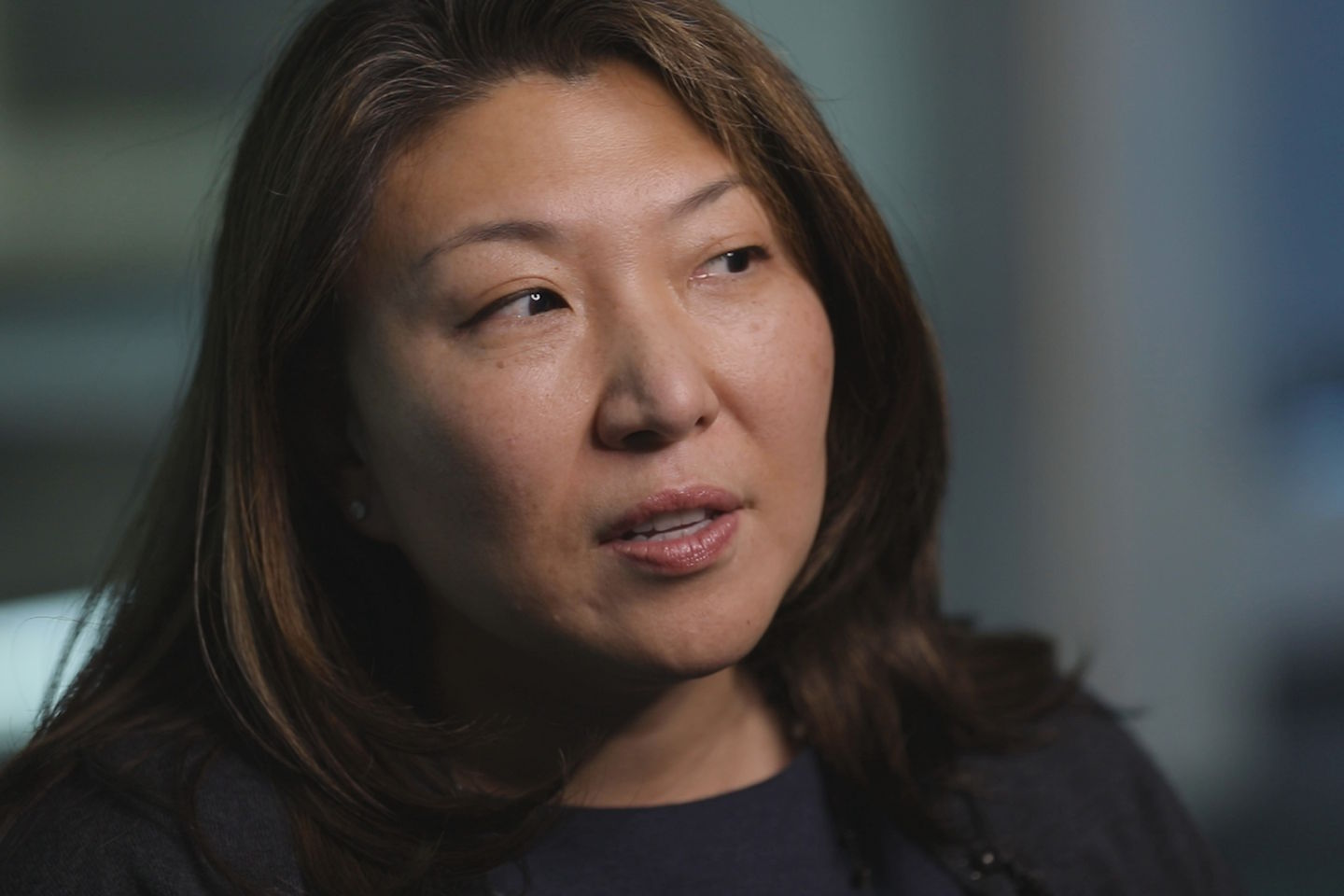
Paving Regulatory Pathways in Rare Disease
Many rare disease medicines are often a first of their kind, and a clear roadmap for their development and approval does not exist. Navigating the complex and sometimes unprecedented regulatory environment for rare disease requires innovation, collaboration and a patient-first mindset.
Media [News] • April 10, 2025
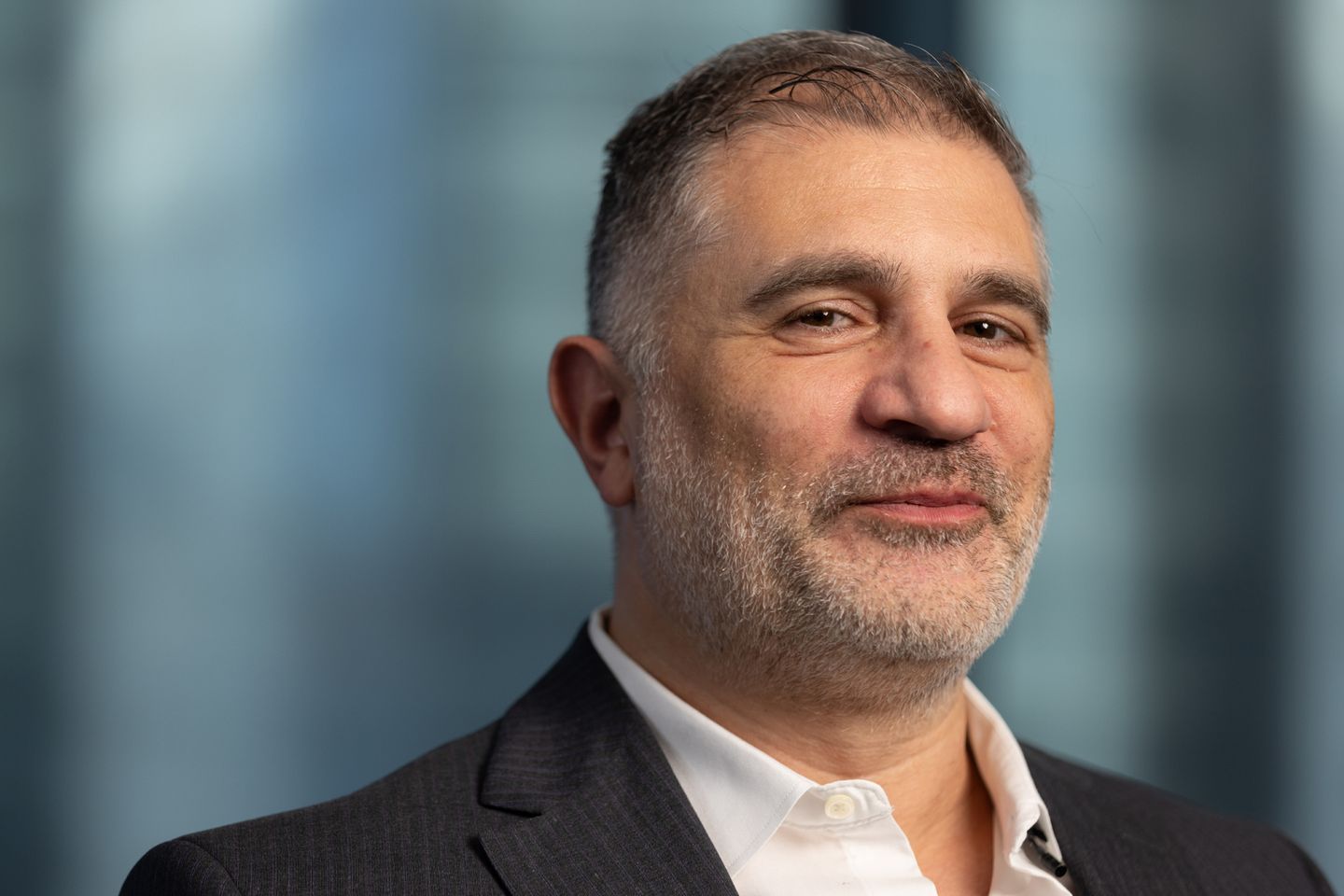
Advancing Rare Disease Research Through Patient-Centric Trial Design
As Head of Development, Regulatory and Safety at Alexion, Gianluca Pirozzi channels his life’s experience with rare disease to inform his work at Alexion, ensuring clinical programmes are fueled by a patient-focused mindset.
Article • February 24, 2025
Supporting Patients on Rare Disease Day, and Every Day
Rare Disease Day recognizes the 400 million people worldwide – and 30 million in the United States – who are living with a rare disease. While significant progress has been made in understanding rare diseases and developing treatments, the need for continued awareness, research and support is as great as ever.
Veeva ID: US/NP/0140 V1 08/2026